March 2022 - Podcast

Thursday, March 31, 2022

GlyNAC improves biomarkers in humans and extends lifespan in rodents
March 31, 20220 Comments

Antioxidants proved a bust for life extension almost 25 years ago, but glutathione stands out as an exception. We lose glutathione as we age, and supplementing to increase glutathione levels has multiple benefits, possibly on lifespan.

Glutathione is manufactured in the body via an ancient mechanism taking as input cysteine, glutamic acid, and glycine. Supplementing N-Acetyl Cysteine (NAC) and glycine are independently associated with health benefits, and possibly increased lifespan. Glutamine seems to be in adequate supply for most of us.

Each cell manufactures its own glutathione. (GSH is an abbreviation for the reduced form of glutathione.) Concentrations of GSH within a cell a typically 1,000-fold higher than in blood plasma. When we look for glutathione deficiency, we measure the blood level, because that is convenient. It is much harder to measure intracellular levels of GSH. These two studies [20112013] demonstrated that intracellular levels decline with age more consistently and more severely than blood levels. People in their 70s have less than ¼ the glutathione (in red blood cells) that they had when they were in their 20s. The same study also found that intracellular levels of cysteine and glycine but not glutamate decline with age.

Supplementing with NAC is already known to boost glutathione levels. But here is a motivation to try a combination of glycine and NAC, dubbed “GlyNAC” to see if we can do even better. This work has been spearheaded by Rajagopal Sekhar.

In humans, “Supplementing GlyNAC for a short duration of 2 wk corrected the intracellular deficiency of glycine and cysteine, restored intracellular GSH synthesis, corrected intracellular GSH deficiency, lowered OxS, improved MFO, and lowered insulin resistance.” [Sekhar] Most of these benefits are theoretical. Lowering oxidation levels is a double-edged sword. MFO=mitochondrial fatty acid oxidation, and this benefit is on firmer footing. Membranes are made of fatty acids, and mitochondrial efficiency, like most everything in the body, depends on highly selective membranes. The crowning benefit is improved insulin sensitivity, and we can be fairly confident this leads to longer healthspan.

The two recent studies, in humans and mice, are indeed impressive.

The small human study found that “GlyNAC supplementation for 24 weeks in OA corrected RBC-GSH deficiency, OxS, and mitochondrial dysfunction; and improved inflammation, endothelial dysfunction, insulin-resistance, genomic-damage, cognition, strength, gait-speed, and exercise capacity; and lowered body-fat and waist-circumference.” Though they didn’t measure methylation age, this constellation of improvements gives us confidence that people were looking and acting younger.

In older (71-80 yo) subjects 24 weeks of GlyNAC supplementation raised intracellular GSH levels from 0.4 mmol to 1.2, compared to 1.8 in young adults. (Levels were measured in red blood cells.)

Two central players in aging are inflammation and insulin resistance; both showed excellent response.

Inflammation decreased markedly: Average C-reactive protein (CRP) dropped from 4.9 to 3.2 (compared to 2.4 for young people). IL-6 dropped from 4.8 to 1.1 (ref 0.5 for young). TNFα dropped from 98 to 59 (ref 45).

Insulin resistance fell just as dramatically, along with fasting glucose and plasma insulin.

Cognitive performance improved markedly! as did grip strength, endurance, and gait speed.

GlyNAC subjects lost a lot of weight — 9% of body weight in 24 weeks. This is both very good news and a hint that some of the benefits of GlyNAC may be caloric restriction mimetic effects, indirectly due to suppression of appetite or of food absorption.

Is all this evidence of a decrease in biological age?

But the effects faded weeks after the treatment stopped. This, I believe, is different from resetting methylation age. There is not a lot of data yet to test this, but I believe that methylation is close to the source of aging; in other words, the body senses its age by its epigenetic state, and adjusts repair and protection levels accordingly. Thus changing epigenetics to a younger state, IMO, effectively induces an age change in the body.

If this is correct, then my guess is that GlyNAC does not set back methylation age, based on the fact that the effects must be continually renewed by daily doses of glycine and NAC. On the other hand, mitochondria are such a central player in expressing multiple symptoms of aging that it may well be that continuous treatment with GlyNAC leads to longer lifespan.

…and indeed that is what was just reported in a mouse study. 16 mice lived 24% longer with GlyNAC supplementation, compared to 16 controls. 24% is impressive (see table below). For example, rapamycin made headlines a decade ago with an average lifespan increase of 14%. (In other studies, rapamycin was associated with even greater life extension.) The winner in this table is a Russian pineal peptide, which claims 31% increase in lifespan. I have previously bemoaned the fact that this eye-popping work from the St Petersburg laboratories of Anisimov and Khavinson has not been replicated in the West (though Russian peptides are now commercialized in he West). 

Table source: https://ift.tt/uB6TMaU
(This is a sample — not a complete list.)

Treatment Lifespan increase
Epithalamin 31%
Thymus Peptide 28%
Rapamycin 26%
N-Acetylcysteine 24%
GlyNAC 2022 24%
Spermidine 24%
Acarbose 22%
Phenformin 21%
Ethoxyquin 20%
Vanadyl sulfate 12%
Aspirin 8%

An asterisk must be placed next to the new 24% life extension from GlyNAC. Eleven years ago, Flurkey, found the same 24% life extension with NAC alone. NAC supplementation without glycine is known to increase glutathione production. Do we need glycine in addition, or is cysteine the bottleneck? Levels of both free glycine and cysteine decline with age. This would suggest that supplementation of both should be more effective than supplementing NAC alone. But I was unable to find any study that asked whether GSH levels are raised to a greater extent by GlyNAC than by NAC alone.

Glycine supplementation in large amounts mimics methionine restriction, which is a known but impractical life extension strategy.

If you decide to take glycine, it should be at bedtime, and in large amounts, a teaspoon or two. (I did this for awhile using glycine as a sweetener in hot chocolate soymilk, until I decided it ruined the taste of the chocolate drink. Whether this is a sound reason for tailoring an anti-aging agenda I’ll leave you to decide.)

All this work comes out of the laboratory of Rajagopal V. Sekhar at Baylor College of Medicine in Texas. It’s time that a broader life extension community joined in the action. I’m grateful to Dr Sekhar for commenting on earlier drafts of this article.


from ScienceBlog.com https://ift.tt/feCOmpW
via
Read more
Can These Fish Do Math?
PLOS ONE Pulls Five Papers Tied to Alzheimer’s Drug Controversy
March 31, 20220 Comments
The retracted studies were coauthored by a scientist who worked on an Alzheimer’s therapy in development by Cassava Sciences, a company reportedly under investigation for providing falsified data to the FDA.

from The Scientist RSS https://ift.tt/Kf4s6ax
via
Read more

Monday, March 28, 2022

Visualizing the invisible: A new model to aid interpretation of atomic resolution molecular images
Scientists use cooperative action of a ligand-counterion system for sustainable ether production
Team achieves 30-fold enhancement of thermoelectric performance in polycrystalline tin selenide
Research seeks to advance aircraft turbine resilience to particulates
How 'inert' compounds can steal ions
Alopecia: Causes, symptoms & treatments for hair loss and balding
'Potentially hazardous asteroid' will make its closest-ever approach to Earth on April Fools' Day (yes, really)
Amygdala overgrowth that occurs in autism spectrum disorder may begin during infancy
March 28, 20220 Comments

The amygdala — a brain structure enlarged in two-year-old children diagnosed with autism spectrum disorder (ASD) — begins its accelerated growth between 6 and 12 months of age, suggests a study funded by the National Institutes of Health. The amygdala is involved in processing emotions, such as interpreting facial expressions or feeling afraid when exposed to a threat. The findings indicate that therapies to reduce the symptoms of ASD might have the greatest chance of success if they begin in the first year of life, before the amygdala begins its accelerated growth.

The study included 408 infants, 270 of whom were at higher likelihood of ASD because they had an older sibling with ASD, 109 typically developing infants, and 29 infants with Fragile X syndrome, an inherited form of developmental and intellectual disability. The researchers conducted MRI scans of the children at 6, 12 and 24 months of age. They found that the 58 infants who went on to develop ASD had a normal-sized amygdala at 6 months, but an enlarged amygdala at 12 months and 24 months. Moreover, the faster the rate of amygdala overgrowth, the greater the severity of ASD symptoms at 24 months. The infants with Fragile X syndrome had a distinct pattern of brain growth. They had no differences in amygdala growth but enlargement of another brain structure, the caudate, which was linked to increased repetitive behaviors.

The research team, part of the NIH Autism Centers of Excellence Infant Brain Imaging Study network, was led by Mark Shen, Ph.D., of the University of North Carolina at Chapel Hill and the Infant Brain Imaging Study. The study appears in the American Journal of Psychiatry. Funding was provided by NIH’s Eunice Kennedy Shriver National Institute of Child Health and Human Development (NICHD), National Institute of Environmental Health Sciences and National Institute of Mental Health.

The authors suggested that difficulty processing sensory information during infancy may stress the amygdala, leading to its overgrowth.

ASD is a complex developmental disorder that affects how a person behaves, interacts with others, communicates and learns.

Who

Alice Kau, Ph.D., of the NICHD Intellectual and Developmental Disabilities Branch, is available for comment.

Article

Shen, MD. Subcortical brain development in autism and fragile X syndrome: evidence for dynamic, age-and disorder-specific trajectories in infancyAmerican Journal of Psychiatry. 2022. DOI:


from ScienceBlog.com https://ift.tt/aSVpYZC
via
Read more
This brain structure may grow too fast in babies who develop autism
The Milky Way’s ‘thick disk’ is 2 billion years older than scientists thought

Thursday, March 24, 2022

Study finds neurons that encode the outcomes of actions
March 24, 20220 Comments

When we make complex decisions, we have to take many factors into account. Some choices have a high payoff but carry potential risks; others are lower risk but may have a lower reward associated with them.

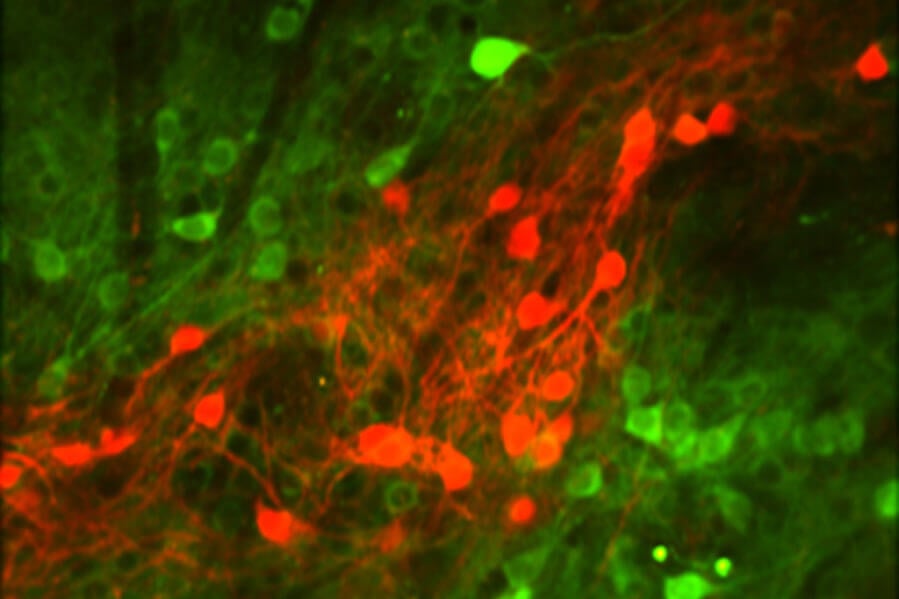
A new study from MIT sheds light on the part of the brain that helps us make these types of decisions. The research team found a group of neurons in the brain’s striatum that encodes information about the potential outcomes of different decisions. These cells become particularly active when a behavior leads a different outcome than what was expected, which the researchers believe helps the brain adapt to changing circumstances.

“A lot of this brain activity deals with surprising outcomes, because if an outcome is expected, there’s really nothing to be learned. What we see is that there’s a strong encoding of both unexpected rewards and unexpected negative outcomes,” says Bernard Bloem, a former MIT postdoc and one of the lead authors of the new study.

Impairments in this kind of decision-making are a hallmark of many neuropsychiatric disorders, especially anxiety and depression. The new findings suggest that slight disturbances in the activity of these striatal neurons could swing the brain into making impulsive decisions or becoming paralyzed with indecision, the researchers say.

Rafiq Huda, a former MIT postdoc, is also a lead author of the paper, which appears in Nature Communications. Ann Graybiel, an MIT Institute Professor and member of MIT’s McGovern Institute for Brain Research, is the senior author of the study.

Learning from experience

The striatum, located deep within the brain, is known to play a key role in making decisions that require evaluating outcomes of a particular action. In this study, the researchers wanted to learn more about the neural basis of how the brain makes cost-benefit decisions, in which a behavior can have a mixture of positive and negative outcomes.

To study this kind of decision-making, the researchers trained mice to spin a wheel to the left or the right. With each turn, they would receive a combination of reward (sugary water) and negative outcome (a small puff of air). As the mice performed the task, they learned to maximize the delivery of rewards and to minimize the delivery of air puffs. However, over hundreds of trials, the researchers frequently changed the probabilities of getting the reward or the puff of air, so the mice would need to adjust their behavior.

As the mice learned to make these adjustments, the researchers recorded the activity of neurons in the striatum. They had expected to find neuronal activity that reflects which actions are good and need to be repeated, or bad and that need to be avoided. While some neurons did this, the researchers also found, to their surprise, that many neurons encoded details about the relationship between the actions and both types of outcomes.

The researchers found that these neurons responded more strongly when a behavior resulted in an unexpected outcome, that is, when turning the wheel in one direction produced the opposite outcome as it had in previous trials. These “error signals” for reward and penalty seem to help the brain figure out that it’s time to change tactics.

Most of the neurons that encode these error signals are found in the striosomes — clusters of neurons located in the striatum. Previous work has shown that striosomes send information to many other parts of the brain, including dopamine-producing regions and regions involved in planning movement.

“The striosomes seem to mostly keep track of what the actual outcomes are,” Bloem says. “The decision whether to do an action or not, which essentially requires integrating multiple outcomes, probably happens somewhere downstream in the brain.”

Making judgments

The findings could be relevant not only to mice learning a task, but also to many decisions that people have to make every day as they weigh the risks and benefits of each choice. Eating a big bowl of ice cream after dinner leads to immediate gratification, but it might contribute to weight gain or poor health. Deciding to have carrots instead will make you feel healthier, but you’ll miss out on the enjoyment of the sweet treat.

“From a value perspective, these can be considered equally good,” Bloem says. “What we find is that the striatum also knows why these are good, and it knows what are the benefits and the cost of each. In a way, the activity there reflects much more about the potential outcome than just how likely you are to choose it.”

This type of complex decision-making is often impaired in people with a variety of neuropsychiatric disorders, including anxiety, depression, schizophrenia, obsessive-compulsive disorder, and posttraumatic stress disorder. Drug abuse can also lead to impaired judgment and impulsivity.

“You can imagine that if things are set up this way, it wouldn’t be all that difficult to get mixed up about what is good and what is bad, because there are some neurons that fire when an outcome is good and they also fire when the outcome is bad,” Graybiel says. “Our ability to make our movements or our thoughts in what we call a normal way depends on those distinctions, and if they get blurred, it’s real trouble.”

The new findings suggest that behavioral therapy targeting the stage at which information about potential outcomes is encoded in the brain may help people who suffer from those disorders, the researchers say.

The research was funded by the National Institutes of Health/National Institute of Mental Health, the Saks Kavanaugh Foundation, the William N. and Bernice E. Bumpus Foundation, the Simons Foundation, the Nancy Lurie Marks Family Foundation, the National Eye Institute, the National Institute of Neurological Disease and Stroke, the National Science Foundation, the Simons Foundation Autism Research Initiative, and JSPS KAKENHI.


from ScienceBlog.com https://ift.tt/z8nkjxB
via
Read more
Blow flies can be used to detect use of chemical weapons, other pollutants

Wednesday, March 23, 2022

Study: With masking and distancing in place, NFL stadium openings in 2020 had no impact on local Covid-19 infections
March 23, 20220 Comments

As with most everything in the world, football looked very different in 2020. As the Covid-19 pandemic unfolded, many National Football League (NFL) games were played in empty stadiums, while other stadiums opened to fans at significantly reduced capacity, with strict safety protocols in place.

At the time it was unclear what impact such large sporting events would have on Covid-19 case counts, particularly at a time when vaccination against the virus was not widely available.

Now, MIT engineers have taken a look back at the NFL’s 2020 regular season and found that for this specific period during the pandemic, opening stadiums to fans while requiring face coverings, social distancing, and other measures had no impact on the number of Covid-19 infections in those stadiums’ local counties.

As they write in a new paper appearing this week in the Proceedings of the National Academy of Sciences, “the benefits of providing a tightly controlled outdoor spectating environment — including masking and distancing requirements — counterbalanced the risks associated with opening.”

The study concentrates on the NFL’s 2020 regular season (September 2020 to early January 2021), at a time when earlier strains of the virus dominated, before the rise of more transmissible Delta and Omicron variants. Nevertheless, the results may inform decisions on whether and how to hold large outdoor gatherings in the face of future public health crises.

“These results show that the measures adopted by the NFL were effective in safely opening stadiums,” says study author Anette “Peko” Hosoi, the Neil and Jane Pappalardo Professor of Mechanical Engineering at MIT. “If case counts start to rise again, we know what to do: mask people, put them outside, and distance them from each other.”

The study’s co-authors are members of MIT’s Institue for Data, Systems, and Society (IDSS), and include Bernardo García Bulle, Dennis Shen, and Devavrat Shah, the Andrew and Erna Viterbi Professor in the Department of Electrical Engineering and Computer Science (EECS).

Preseason patterns

Last year a group led by the University of Southern Mississippi compared Covid-19 case counts in the counties of NFL stadiums that allowed fans in, versus those that did not. Their analysis showed that stadiums that opened to large numbers of fans led to “tangible increases” in the local county’s number of Covid-19 cases.

But there are a number of factors in addition to a stadium’s opening that can affect case counts, including local policies, mandates, and attitudes. As the MIT team writes, “it is not at all obvious that one can attribute the differences in case spikes to the stadiums given the enormous number of confounding factors.”

To truly isolate the effects of a stadium’s opening, one could imagine tracking Covid cases in a county with an open stadium through the 2020 season, then turning back the clock, closing the stadium, then tracking that same county’s Covid cases through the same season, all things being equal.

“That’s the perfect experiment, with the exception that you would need a time machine,” Hosoi says.

As it turns out, the next best thing is synthetic control — a statistical method that is used to determine the effect of an “intervention” (such as the opening of a stadium) compared with the exact same scenario without that intervention.

In synthetic control, researchers use a weighted combination of groups to construct a “synthetic” version of an actual  scenario. In this case, the actual scenario is a county such as Dallas that hosts an open stadium. A synthetic version would be a county that looks similar to Dallas, only without a stadium. In the context of this study, a county that “looks” like Dallas has a similar preseason pattern of Covid-19 cases.

To construct a synthetic Dallas, the researchers looked for surrounding counties without stadiums, that had similar Covid-19 trajectories leading up to the 2020 football season. They combined these counties in a way that best fit Dallas’ actual case trajectory. They then used data from the combined counties to calculate the number of Covid cases for this synthetic Dallas through the season, and compared these counts to the real Dallas.

The team carried out this analysis for every “stadium county.” They determined a county to be a stadium county if more than 10 percent of a stadium’s fans came from that county, which the researchers estimated based on attendance data provided by the NFL.

“Go outside”

Of the stadiums included in the study, 13 were closed through the regular season, while 16 opened with reduced capacity and multiple pandemic requirements in place, such as required masking, distanced seating, mobile ticketing, and enhanced cleaning protocols.

The researchers found the trajectory of infections in all stadium counties mirrored that of synthetic counties, showing that the number of infections would have been the same if the stadiums had remained closed. In other words, they found no evidence that NFL stadium openings led to any increase in local Covid case counts.

To check that their method wasn’t missing any case spikes, they tested it on a known superspreader: the Sturgis Motorcycle Rally, which was held in August of 2020. The analysis successfully picked up an increase in cases in Meade, the host county, compared to a synthetic counterpart, in the two weeks following the rally.

Surprisingly, the researchers found that several stadium counties’ case counts dipped slightly compared to their synthetic counterparts. In these counties — including Hamilton, Ohio, home of the Cincinnati Bengals — it appeared that opening the stadium to fans was tied to a dip in Covid-19 infections. Hosoi has a guess as to why:

“These are football communities with dedicated fans. Rather than stay home alone, those fans may have gone to a sports bar or hosted indoor football gatherings if the stadium had not opened,” Hosoi proposes. “Opening the stadium under those circumstances would have been beneficial to the community because it makes people go outside.”

The team’s analysis also revealed another connection: Counties with similar Covid trajectories also shared similar politics. To illustrate this point, the team mapped the county-wide temporal trajectories of Covid case counts in Ohio in 2020 and found them to be a strong predictor of the state’s 2020 electoral map.

“That is not a coincidence,” Hosoi notes. “It tells us that local political leanings determined the temporal trajectory of the pandemic.”

The team plans to apply their analysis to see how other factors may have influenced the pandemic.

“Covid is a different beast [today],” she says. “Omicron is more transmissive, and more of the population is vaccinated. It’s possible we’d find something different if we ran this analysis on the upcoming season, and I think we probably should try.”


from ScienceBlog.com https://ift.tt/lrDio4U
via
Read more

Tuesday, March 22, 2022

Salt marsh grass on Georgia’s coast gets nutrients for growth from helpful bacteria in its roots
March 22, 20220 Comments
A new Georgia Tech study points to possible help for restoring marine ecosystems -- and provides more data on the role microbes play in marsh plant health and productivity.

from Latest Science News -- ScienceDaily https://ift.tt/iKkd6UM
via
Read more

Monday, March 21, 2022

Upcyling polyester could reduce plastic waste
New enzyme discovery is another leap towards beating plastic waste
Identifying toxic materials in water with machine learning
March 21, 20220 Comments
Waste materials from oil sands extraction, stored in tailings ponds, can pose a risk to the natural habitat and neighboring communities when they leach into groundwater and surface ecosystems. Until now, the challenge for the oil sands industry is that the proper analysis of toxic waste materials has been difficult to achieve without complex and lengthy testing. And there's a backlog. For example, in Alberta alone, there are an estimated 1.4 billion cubic meters of fluid tailings.

from Latest Science News -- ScienceDaily https://ift.tt/v40aCJI
via
Read more
Chinese Boeing 737 crashes with 132 on board

Thursday, March 17, 2022

Bacteria in the Lungs Can Regulate Autoimmunity in Rat Brains
March 17, 20220 Comments
Making specific alterations to the bacterial population in a rat’s lungs either better protects the animals against multiple sclerosis–like symptoms or makes them more vulnerable, a study finds—the first demonstration of a lung-brain axis.

from The Scientist RSS https://ift.tt/dzQ0nux
via
Read more
6 symptoms of poor air quality
The Pacific War: WWII in the East

Wednesday, March 16, 2022

A fabric that “hears” your heartbeat
March 16, 20220 Comments

Having trouble hearing? Just turn up your shirt. That’s the idea behind a new “acoustic fabric” developed by engineers at MIT and collaborators at Rhode Island School of Design.

The team has designed a fabric that works like a microphone, converting sound first into mechanical vibrations, then into electrical signals, similarly to how our ears hear.

All fabrics vibrate in response to audible sounds, though these vibrations are on the scale of nanometers — far too small to ordinarily be sensed. To capture these imperceptible signals, the researchers created a flexible fiber that, when woven into a fabric, bends with the fabric like seaweed on the ocean’s surface.

The fiber is designed from a “piezoelectric” material that produces an electrical signal when bent or mechanically deformed, providing a means for the fabric to convert sound vibrations into electrical signals.

The fabric can capture sounds ranging in decibel from a quiet library to heavy road traffic, and determine the precise direction of sudden sounds like handclaps. When woven into a shirt’s lining, the fabric can detect a wearer’s subtle heartbeat features. The fibers can also be made to generate sound, such as a recording of spoken words, that another fabric can detect.   

A study detailing the team’s design appears today in Nature. Lead author Wei Yan, who helped develop the fiber as an MIT postdoc, sees many uses for fabrics that hear.

“Wearing an acoustic garment, you might talk through it to answer phone calls and communicate with others,” says Yan, who is now an assistant professor at the Nanyang Technological University in Singapore. “In addition, this fabric can imperceptibly interface with the human skin, enabling wearers to monitor their heart and respiratory condition in a comfortable, continuous, real-time, and long-term manner.”

Yan’s co-authors include Grace Noel, Gabriel Loke, Tural Khudiyev, Juliette Marion, Juliana Cherston, Atharva Sahasrabudhe, Joao Wilbert, Irmandy Wicaksono, and professors John Joannopoulos and Yoel Fink at MIT, along with Anais Missakian and Elizabeth Meiklejohn at Rhode Island School of Design (RISD), Lei Zhu from Case Western Reserve University, Chu Ma from the University of Wisconsin at Madison, and Reed Hoyt of the U.S. Army Research Institute of Environmental Medicine.

Sound layering

Fabrics are traditionally used to dampen or reduce sound; examples include soundproofing in concert halls and carpeting in our living spaces. But Fink and his team have worked for years to refashion fabric’s conventional roles. They focus on extending properties in materials to make fabrics more functional. In looking for ways to make sound-sensing fabrics, the team took inspiration from the human ear.

Audible sound travels through air as slight pressure waves. When these waves reach our ear, an exquisitely sensitive and complex three-dimensional organ, the tympanic membrane, or eardrum, uses a circular layer of fibers to translate the pressure waves into mechanical vibrations. These vibrations travel through small bones into the inner ear, where the cochlea converts the waves into electrical signals that are sensed and processed by the brain.

Inspired by the human auditory system, the team sought to create a fabric “ear” that would be soft, durable, comfortable, and able to detect sound. Their research led to two important discoveries: Such a fabric would have to incorporate stiff, or “high-modulus,” fibers to effectively convert sound waves into vibrations. And, the team would have to design a fiber that could bend with the fabric and produce an electrical output in the process.

With these guidelines in mind, the team developed a layered block of materials called a preform, made from a piezoelectric layer as well as ingredients to enhance the material’s vibrations in response to sound waves. The resulting preform, about the size of a thick marker, was then heated and pulled like taffy into thin, 40-meter-long fibers.

Lightweight listening

The researchers tested the fiber’s sensitivity to sound by attaching it to a suspended sheet of mylar. They used a laser to measure the vibration of the sheet — and by extension, the fiber — in response to sound played through a nearby speaker. The sound varied in decibel between a quiet library and heavy road traffic. In response, the fiber vibrated and generated an electric current proportional to the sound played.

“This shows that the performance of the fiber on the membrane is comparable to a handheld microphone,” Noel says.

Next, the team wove the fiber with conventional yarns to produce panels of drapable, machine-washable fabric.

“It feels almost like a lightweight jacket — lighter than denim, but heavier than a dress shirt,” says Meiklejohn, who wove the fabric using a standard loom.

She sewed one panel to the back of a shirt, and the team tested the fabric’s sensitivity to directional sound by clapping their hands while standing at various angles to the shirt.

“The fabric was able to detect the angle of the sound to within 1 degree at a distance of 3 meters away,” Noel notes.

The researchers envision that a directional sound-sensing fabric could help those with hearing loss to tune in to a speaker amid noisy surroundings.

The team also stitched a single fiber to a shirt’s inner lining, just over the chest region, and found it accurately detected the heartbeat of a healthy volunteer, along with subtle variations in the heart’s S1 and S2, or “lub-dub” features. In addition to monitoring one’s own heartbeat, Fink sees possibilities for incorporating the acoustic fabric into maternity wear to help monitor a baby’s fetal heartbeat.

Finally, the researchers reversed the fiber’s function to serve not as a sound-detector but as a speaker. They recorded a string of spoken words and fed the recording to the fiber in the form of an applied voltage. The fiber converted the electrical signals to audible vibrations, which a second fiber was able to detect. 

In addition to wearable hearing aids, clothes that communicate, and garments that track vital signs, the team sees applications beyond clothing.

“It can be integrated with spacecraft skin to listen to (accumulating) space dust, or embedded into buildings to detect cracks or strains,” Yan proposes. “It can even be woven into a smart net to monitor fish in the ocean. The fiber is opening widespread opportunities.”

“The learnings of this research offers quite literally a new way for fabrics to listen to our body and to the surrounding environment,” Fink says. “The dedication of our students, postdocs and staff to advancing research which has always marveled me is especially relevant to this work, which was carried out during the pandemic.”

This research was supported in part by the US Army Research Office through the Institute for Soldier Nanotechnologies, National Science Foundation, Sea Grant NOAA.


from ScienceBlog.com https://ift.tt/pAYHLJM
via
Read more
Magnitude-7.3 earthquake strikes Fukushima, tsunami warning issued
Fridge-size asteroid detected just 2 hours before it slammed into Earth

Tuesday, March 15, 2022

Making green energy greener: Researchers propose method for wind turbine blades' recycling
March 15, 20220 Comments
Wind turbine blades made from glass fiber-reinforced polymer (GFRP) laminate composites can serve for up to 25 years. After that, they end up in landfills which has become a real challenge for the renewable energy industry. Researchers have proposed a method for wind turbine blades' recycling. Using pyrolysis, they broke the composite materials into their constituent parts. According to scientists, the extracted materials can be reused, and the process is virtually waste-free.

from Latest Science News -- ScienceDaily https://ift.tt/Lm1d2nu
via
Read more
Gravitational wave mirror experiments can evolve into quantum entities
March 15, 20220 Comments
Scientists review research on gravitational wave detectors as a historical example of quantum technologies and examine the fundamental research on the connection between quantum physics and gravity. The team examined recent gravitational wave experiments, showing it is possible to shield large objects from strong influences from the thermal and seismic environment to allow them to evolve as one quantum object. This decoupling from the environment enables measurement sensitivities that would otherwise be impossible.

from Latest Science News -- ScienceDaily https://ift.tt/mTHcAEr
via
Read more
These 1-millimeter-long worms can make complex decisions with a mere 300 neurons

Monday, March 14, 2022

Smartphone app calculates genetic risk for heart attack
March 14, 20220 Comments
Researchers have developed a smartphone app that can calculate users' genetic risk for coronary artery disease (CAD)--and found that users at high risk sought out appropriate medication after using the app.

from Latest Science News -- ScienceDaily https://ift.tt/YEsi2lH
via
Read more
The rise and fall of the Great Library of Alexandria

Friday, March 11, 2022

Lower, more frequent doses of nanomedicines may enhance cancer treatment
March 11, 20220 Comments
Both nanomedicines and metronomic scheduling -- when medications are given at lower, more frequent doses -- can correct abnormalities surrounding tumors that help protect cancer cells and foster their growth and spread. Combining nanomedicines and metronomic scheduling may help improve cancer treatment strategies.

from Latest Science News -- ScienceDaily https://ift.tt/tpCV43u
via
Read more
Ukraine should destroy 'high-threat' pathogens, WHO says

Thursday, March 10, 2022

About Us
Blood test as possible diagnostic tool for Alzheimer’s disease
March 10, 20220 Comments
A recent study shows promising results for a blood test that could be used to identify Alzheimer's changes in the brain before the onset of any symptoms, which could result in preventative treatments being used before any memory loss.

from Latest Science News -- ScienceDaily https://ift.tt/FzdRrpW
via
Read more
Could leaky blood vessels in the brain be a culprit in Alzheimer’s disease?
March 10, 20220 Comments
Researchers report that they found high levels of the protein Fli-1 in the brains of deceased Alzheimer's patients. Blocking Fli-1's action in a mouse model of Alzheimer's disease reversed mental loss and reduced the brain inflammation and amyloid-beta clumping that are hallmarks of Alzheimer's disease. Although clinical translation of this finding is likely years off, the study suggests Fli-1 is a promising therapeutic target for Alzheimer's disease.

from Latest Science News -- ScienceDaily https://ift.tt/jSg9YKW
via
Read more
Exploring ancient tuberculosis transmission chains
March 10, 20220 Comments
Tuberculosis (TB) is the second most common cause of death worldwide by an infectious pathogen (after Covid-19), but many aspects of its long history with humans remain controversial. Researchers found that ancient TB discovered in archaeological human remains from South America is most closely related to a variant of TB associated today with seals, but surprisingly these cases were found in people who lived nowhere near the coast. This implies that these cases were not the result of direct transmission from seals, and instead one, or more, spillover events were likely to be the primary drivers of human infection.

from Latest Science News -- ScienceDaily https://ift.tt/ywCz43m
via
Read more
Seeing lipids more deeply with mass spectrometry
10 biggest protests in history

Tuesday, March 8, 2022

New research demonstrates high value 'injurious weeds' can bring to pollinators
March 08, 20220 Comments
New research compares the biodiversity value of plants classed as 'injurious weeds' against those stipulated by DEFRA for pollinator targeted agri-environmental options. The findings show that the abundance and diversity of pollinators visiting weed species are far higher than DEFRA recommended plants.

from Latest Science News -- ScienceDaily https://ift.tt/kByqLO3
via
Read more
Engineered light waves enable rapid recording of 3D microscope images
March 08, 20220 Comments
Researchers have developed a new method for rapid 3D imaging. Instead of having to scan repeatedly in 2D, the researchers proposed a one-scan technique that uses a light needle to process at depth and laterally.

from Latest Science News -- ScienceDaily https://ift.tt/WnSadc1
via
Read more
Global warming projected to increase health burden from hyponatremia
March 08, 20220 Comments
Global warming is likely to increase the number of people requiring hospitalization due to critically low sodium levels in the blood, a condition known as hyponatremia. A new study projects that a temperature rise of 2 degrees Celsius would increase the burden on hospitals from hyponatremia by almost 14 percent.

from Latest Science News -- ScienceDaily https://ift.tt/2ds19uF
via
Read more
Nordic diet lowers cholesterol and blood sugar – even if you don't lose weight
March 08, 20220 Comments
A healthy Nordic diet can prevent a range of diseases. Until now, the health benefits attributed to a Nordic diet by researchers primarily focused on weight loss. But in a new study, researchers found clear evidence that a Nordic diet can lower blood sugar and cholesterol levels even without weight loss. In particular, they point to the composition of dietary fats as a possible explanation for the diet's positive effects.

from Latest Science News -- ScienceDaily https://ift.tt/1gGC69q
via
Read more
Analysis suggests China has passed U.S. on one research measure
March 08, 20220 Comments
After decades of dominance by the United States, a new measure suggests that China edged the U.S. in 2019 on one important measurement of national research success.

from Latest Science News -- ScienceDaily https://ift.tt/blukwA4
via
Read more
Study of rare disease reveals insights on immune system response process
March 08, 20220 Comments
In laboratory experiments involving a class of mutations in people with a rare collection of immune system disorders, researchers say they have uncovered new details about how immune system cells respond to disease-causing bacteria, fungi and viruses such as SARS-CoV-2.

from Latest Science News -- ScienceDaily https://ift.tt/9LrMtRg
via
Read more
Simulated human eye movement aims to train metaverse platforms
March 08, 20220 Comments
Computer engineers have developed virtual eyes that simulate how humans look at the world accurately enough for companies to train virtual reality and augmented reality programs. Called EyeSyn for short, the program will help developers create applications for the rapidly expanding metaverse while protecting user data.

from Latest Science News -- ScienceDaily https://ift.tt/DbxFSUI
via
Read more
NIAAA to Host Webinar on Reducing Stigma Around Alcohol Use Disorder in Minority Communities
March 08, 20220 Comments

NIAAA is hosting an informative and interactive free webinar: Reducing Stigma Around Alcohol Use Disorder in Minority Communities, Monday, March 21, at 1:00–2:15 p.m. EDT. Dr. Christina S. Lee, Associate Professor of Social Work at Boston University, and Dr. Tamika C.B. Zapolski, Associate Professor of Psychology at Indiana University-Purdue University, will discuss their research targeting stigma related to alcohol and drug use in the Latino/a and the African American communities, respectively.

Humberto Camarena, Dr. Victor Figuereo, and Rocio Moriel—experts on Dr. Lee’s project Culturally Adapted Stigma Mitigation Intervention (CASMI) team—will give their perspectives on the significance of such work in community settings, with a focus on how culturally adapted motivational interviewing impacts Latino men and women with unhealthy alcohol use.

To view the webinar on NIH Videocast, visit: https://videocast.nih.gov/watch=44317.

Please RSVP to dana.west@icf.com by Friday, March 18.


from ScienceBlog.com https://ift.tt/Jf5DwVn
via
Read more
Winter: The coldest season
Exoplanets: Alien worlds beyond our solar system

@templatesyard